
Why Solvent-Based Inks Still Dominate Flexible Packaging

Despite continued innovation in water-based and UV-curable ink technologies, solvent-based inks remain the dominant choice within flexible packaging. Their ongoing relevance is not driven by legacy practices, but by performance. In high-speed, high-volume packaging environments, solvent-based systems continue to deliver a combination of reliability, efficiency, and quality that alternative technologies often struggle to match at scale.

A key advantage of solvent-based inks is their fast drying capability, enabling converters to run presses at high speeds without compromising print quality or productivity. In addition, solvent-based inks provide strong adhesion to non-porous substrates such as polyethylene, polypropylene, and laminated films—materials widely used across food, beverage, and consumer goods packaging.

For brand owners and converters, this performance translates into consistent colour strength, durability, and resistance to abrasion, moisture, and chemicals. These attributes are critical in flexible packaging applications where shelf appeal, product protection, and regulatory compliance must align.

The continued dominance of solvent-based inks has significant implications for talent and leadership. Manufacturers and converters require skilled professionals across press operations, quality assurance, ink formulation, and process optimisation. More importantly, they need senior leaders who understand solvent chemistry while also driving operational efficiency, compliance, and continuous improvement in increasingly complex production environments.

As the sector evolves, organisations face a dual challenge: optimising solvent-based operations today while preparing for future transitions toward alternative ink technologies. Navigating this complexity requires leadership with both deep technical expertise and strategic foresight.

Athena Executive Search specialises exclusively in executive recruitment for the packaging and print sector. We partner with organisations across flexible packaging, inks, and print to identify senior talent capable of strengthening solvent-based workflows while leading innovation and change.

If your organisation is looking to secure experienced leadership in flexible packaging or solvent-based ink operations, we invite you to connect with Athena Executive Search. Contact us to discuss how our sector-focused executive search approach can support your growth, transformation, and long-term success.

Email: enquiries@athena-executive.com
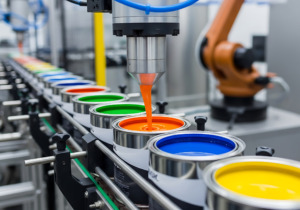
Solvent-Based Inks: A Cornerstone of Packaging Print Performance

Solvent-based inks continue to play a critical role in the packaging and print sector, particularly in applications where performance, durability, and production efficiency are essential. Their strong adhesion to non-porous substrates, fast drying times, and consistent colour strength make them indispensable across flexible packaging, labels, and industrial print environments.

While alternative ink technologies continue to develop, solvent-based systems remain the preferred choice for high-volume packaging operations where reliability and quality cannot be compromised. For brand owners and converters, this performance directly supports shelf appeal, brand integrity, and operational consistency.

At the same time, the ongoing use of solvent-based inks brings increasing complexity. Regulatory requirements, sustainability expectations, and workplace safety considerations all demand experienced leadership oversight. Organisations require executives who understand both the technical realities of packaging print and the broader strategic direction of the industry.

Athena Executive Search specialises exclusively in executive recruitment for the packaging and print sector. We work in close partnership with our clients to identify senior leaders who combine deep industry expertise with commercial and operational insight, helping businesses perform today while preparing for the future.

If your organisation is looking to strengthen its leadership capability within packaging or print, we invite you to connect with Athena Executive Search to discuss how our sector-focused executive search services can support your growth and long-term success.

Email: enquiries@athena-executive.com

Upskilling for Sustainability: How Packaging Professionals Can Future-Proof Their Careers

The packaging industry is undergoing one of the most significant transformations in its history. Driven by global sustainability goals, regulatory pressures, and rapidly shifting consumer expectations, organisations are rethinking materials, processes, and supply chains. As sustainability evolves from a “nice to have” to a core business priority, packaging professionals who invest in upskilling now will be the ones who thrive in the years ahead.

At Athena Executive Search, we continue to see rising demand for leaders who combine technical expertise with a deep understanding of environmental impact, circularity, and innovation. The professionals who stand out are not just reacting to change—they’re proactively equipping themselves to lead it.


Why Sustainability Skills Are No Longer Optional

1. Regulatory Demands Are Reshaping the Industry

Extended Producer Responsibility (EPR), carbon reporting requirements, and stricter recycling standards are transforming how packaging is designed and produced. Organisations need professionals who understand these regulations and can translate them into actionable, compliant strategies.

2. Consumer Expectations Are Driving Innovation

Consumers increasingly prioritise environmentally responsible brands. Companies must innovate around renewable materials, lightweighting, refill systems, and waste reduction. Professionals who can help organisations meet these expectations gain a competitive edge.

3. Sustainability Is Now a Strategic Business Function

Sustainability is no longer confined to specialised teams. Today, roles in R&D, operations, procurement, marketing, and supply chain must integrate sustainability principles into everyday decision-making. This broad integration requires new skills across all functions.


Key Skills Packaging Professionals Should Develop

1. Circular Economy & Material Science Knowledge

Understanding the lifecycle of materials—recyclability, compostability, carbon impact—is becoming essential. Skills in renewable materials, advanced polymers, and lifecycle assessment (LCA) are especially valuable.

2. Data & Environmental Impact Analysis

The ability to interpret LCA results, carbon data, and regulatory metrics allows professionals to guide sustainable decision-making with clarity and precision.

3. Design for Sustainability (DfS)

Professionals should master design principles that reduce waste, improve recovery, and extend product life. This includes working closely with engineering and supply chain teams to deliver optimal solutions.

4. Leadership & Change Management

Implementing sustainability initiatives requires more than technical knowledge—it demands influence, cross-functional collaboration, and the ability to lead cultural change.


How to Start Upskilling Today

  • Pursue sustainability certifications (e.g., LCA training, circular economy programmes).

  • Attend industry sustainability conferences and workshops to stay ahead of emerging trends.

  • Collaborate with cross-functional teams to gain exposure to the full sustainability ecosystem.

  • Seek mentorship from leaders who have already navigated the sustainability transition.

  • Follow global regulations and emerging technologies to anticipate shifts before they occur.

Investing in these skills will not only strengthen your current role but also open pathways to new, future-focused opportunities.


The Future Belongs to Sustainable Leaders

The packaging industry needs innovators who can balance performance, cost, and environmental responsibility. As sustainability accelerates, professionals who upskill now will be the ones guiding companies through transformation—shaping the industry and defining their careers in the process.


Call to Action

At Athena Executive Search, we specialise in connecting top packaging talent with organisations driving meaningful sustainability progress.
If you’re looking to upskill, explore new opportunities, or strengthen your team with sustainability-focused leaders, we’re here to support you.

Get in touch with us today to discuss your career goals or talent needs.
Together, we can build a more innovative and sustainable future for the packaging industry.

Email: enquiries@athena-executive.com

Mentorship Matters: Pairing Experienced Employees with New Hires for Lasting Growth

In an industry as technically demanding and rapidly evolving as packaging and print, organizations are facing a dual challenge: the accelerating pace of innovation and an increasingly competitive talent landscape. As automation, sustainability requirements, and digital print technologies reshape the field, companies must prioritize strategic upskilling to remain competitive.

One of the most effective—and often underutilized—development strategies is structured mentorship. Pairing seasoned employees with new hires not only accelerates learning but also builds a culture of collaboration, retention, and long-term organizational strength.


Why Mentorship Is Essential in Packaging & Print

The packaging and print sector relies heavily on deep technical expertise, operational efficiency, and precision. New hires entering this environment often face steep learning curves in areas such as:

  • Press operations and color management

  • Materials science and sustainable substrates

  • Quality systems and compliance

  • Supply chain visibility and automation technologies

  • Customer-centric project management

While formal training lays the groundwork, mentorship provides something training alone cannot: practical wisdom transferred through real-world experience.

Experienced employees hold invaluable institutional knowledge—how to troubleshoot press issues quickly, how to manage complex client expectations, or how to lead a production team through a challenging job. Passing that knowledge to newer talent ensures continuity and performance across the entire operation.


The Competitive Advantage of a Mentorship Culture

Companies that implement mentorship programs benefit from:

1. Faster Ramp-Up and Productivity

New hires gain confidence and competence more quickly when supported by a dedicated mentor who provides hands-on guidance.

2. Stronger Retention and Engagement

Mentorship creates a sense of belonging and purpose, reducing turnover—a critical factor in an industry where skilled labor shortages are rising.

3. Leadership Pipeline Development

Mentoring builds the next generation of supervisors, plant managers, and technical experts by exposing emerging talent to real leadership scenarios.

4. Knowledge Transfer and Risk Reduction

As seasoned employees move toward retirement, mentorship ensures vital operational knowledge remains inside the organization.

5. A Culture of Continuous Learning

Mentorship reinforces an environment where upskilling is ongoing and employees feel invested in their own growth.


How Packaging & Print Leaders Can Implement Effective Mentorship Programs

To maximize impact, companies should consider:

  • Formal Pairings: Match new hires with experienced mentors based on skills and career goals.

  • Structured Plans: Define timelines, learning objectives, and competencies for the mentorship journey.

  • Cross-Functional Exposure: Encourage mentees to spend time with departments beyond their own.

  • Feedback Loops: Create regular checkpoints between HR, mentors, and mentees.

  • Recognition: Celebrate mentors who contribute to organizational growth and talent strength.

Mentorship doesn’t need to be complex—but it must be intentional.


Athena Executive Search: Your Partner in Talent Development for Packaging & Print

At Athena Executive Search, we understand the unique demands of the packaging and print industry. Beyond recruiting top talent, we help organizations build sustainable leadership pipelines through smart hiring, upskilling strategies, and talent development insights.

Our specialization allows us to match companies with candidates who not only meet technical needs but also thrive in mentorship-driven cultures.


Call to Action

If you’re ready to strengthen your workforce, accelerate new-hire success, and build lasting organizational resilience, Athena Executive Search is here to help.

Contact us to discuss how mentorship and strategic talent development can transform your business and prepare your teams for long-term success.

Email: enquiries@athena-executive.com

The Plastic Tax: A Cost of Doing Business or a Catalyst for Genuine Innovation?

In recent years, sustainability has shifted from a peripheral concern to a strategic imperative. Regulations such as the Plastic Packaging Tax (PPT) in the UK—and similar measures emerging globally—reflect a growing expectation: organisations must take responsibility for the environmental impact of their packaging choices.

But as these taxes take hold, a critical question arises: Are companies treating the Plastic Tax merely as a cost of doing business, or as a catalyst for meaningful innovation and competitive advantage?


A Necessary Compliance or a Strategic Turning Point?

For many businesses, the introduction of the Plastic Tax has triggered a familiar response—absorb the cost, pass it on to customers, or adjust margins. But this compliance-led mentality misses the broader opportunity. The organisations leading the way view the tax not as a burden, but as a signal to accelerate transformation.

These companies are leveraging sustainability pressures to:

  • Rethink product and packaging design

  • Adopt recyclable or bio-based materials

  • Invest in circular economy models

  • Rebuild supply chains with transparency and resilience in mind

Such moves do more than mitigate tax liability—they redefine value propositions, appeal to increasingly eco-conscious customers, and build long-term brand equity.


Innovation as a Response to Regulation

The Plastic Tax has already begun to influence trends across the manufacturing and packaging sectors. We’re seeing a marked rise in:

1. Recycled Content Integration

Demand for high-quality post-consumer recycled (PCR) materials has surged, prompting investment in advanced recycling technologies and smarter material sourcing strategies.

2. Material Science Advancements

Innovators are developing lightweight, stronger, more sustainable materials—often reducing overall material use rather than simply opting for “greener” plastics.

3. Circular Economy Partnerships

Manufacturers, retailers, waste managers, and technology providers are collaborating at unprecedented levels to keep materials circulating longer and more efficiently.

4. Digitalisation for Traceability

From blockchain to advanced sensors, digital tools are helping companies track recycled content, ensure compliance, and optimise material flows.

Regulation is no longer just a compliance framework—it’s an innovation engine.


The Leadership Imperative

Innovation does not happen in a vacuum. It is led—by teams who recognise that change is not only inevitable, but advantageous.

In this environment, organisations require leaders who can:

  • Navigate shifting regulatory landscapes

  • Drive sustainable transformation without compromising profitability

  • Inspire cross-functional collaboration

  • Foster a culture of continuous improvement and innovation

  • Translate sustainability into commercial opportunity

The Plastic Tax is not simply a challenge for operations and compliance teams; it is a strategic leadership issue.


A Future Defined by Forward-Thinking Talent

As pressure intensifies—from governments, consumers, and global supply chains—those with the right leadership will turn regulatory constraints into differentiators. The companies that thrive will be those that invest in visionary, technically skilled, sustainability-minded executives capable of delivering long-term transformation.

At Athena Executive Search, we see firsthand how pivotal these leaders are in shaping the future of manufacturing, packaging, and materials innovation. The organisations embracing innovation today will be the ones redefining their industries tomorrow.


Call to Action

If your organisation is navigating sustainability challenges or seeking to capitalise on the opportunities created by the Plastic Tax, the right talent will be your most powerful asset.

Athena Executive Search specialises in identifying and securing the innovation-driven leaders who can guide your organisation through this era of transformation.

👉 Connect with us today to discuss how we can support your leadership and talent strategy:
Email: enquiries@athena-executive.com

Resumes that Stand Out in Packaging & Print: Avoiding Common Mistakes and Highlighting Achievements

In the fast-paced world of packaging, printing, and related manufacturing sectors, employers are looking for more than just experience—they want candidates who clearly demonstrate their technical capabilities, project results, and ability to drive innovation. Yet many talented professionals undersell themselves simply because their resumes lack clarity, industry relevance, or measurable achievements.

At Athena Executive Search, we work closely with leaders and technical specialists in packaging, print, and FMCG-supporting industries. Below, we share practical insights to help your resume rise above the competition.


1. Showcase Industry-Specific Technical Expertise

General descriptions won’t capture the attention of hiring managers who understand the complexity of packaging and print operations. Be specific about your technical toolkit.

Highlight the technologies and systems you work with

  • Printing processes: flexographic, digital, gravure, offset, screen

  • Packaging materials: rigid plastics, flexible packaging, corrugate, labels, sustainable substrates

  • Machinery & equipment: die-cutting, laminators, extruders, slitter-rewinders, finishing lines

  • Software proficiencies: Esko, ArtPro, Prisma, CAD, colour management systems

Mention certifications and compliance knowledge

  • G7/Colour Management Certification

  • ISO standards (e.g., ISO 9001, ISO 14001)

  • Food safety & hygiene regulations

  • Sustainability frameworks (e.g., recyclability standards, lifecycle assessments)

Specificity makes you memorable—and demonstrates competence immediately.


2. Translate Responsibilities into Measurable Achievements

A common mistake candidates make is listing duties rather than accomplishments. Packaging & print employers want to see impact, not just activity.

Better phrasing example

“Managed a production line.”
✔️ “Reduced press setup time by 18% through workflow optimisations, increasing throughput by 25%.”

Other achievement areas to highlight

  • Waste reduction (e.g., reducing scrap, improving yield)

  • Cost savings through material optimisation or process improvements

  • Successful new product launches or packaging redesigns

  • Efficiency gains driven by automation or lean manufacturing

  • Sustainability contributions (recyclability improvements, downgauging, carbon reduction)

Numbers strengthen credibility—use them wherever possible.


3. Integrate Sustainability Contributions Thoughtfully

Sustainability has become a hiring priority across packaging and print. If you have contributed to eco-friendly materials, waste reduction, or compliance improvements, make sure these initiatives are clearly highlighted.

Examples of strong sustainability statements

  • “Led LCA assessments resulting in a 22% reduction in packaging footprint.”

  • “Introduced recyclable mono-material structures, improving recyclability from 30% to 90%.”

  • “Implemented ink and solvent recovery systems reducing hazardous waste by 40%.”

These specifics show not only environmental awareness but also strategic thinking and innovation.


4. Avoid Common Resume Mistakes

Even highly skilled professionals fall into these traps:

Overly generic job titles

If your title doesn’t reflect the breadth of your work, clarify it:

“Production Manager (Flexo & Digital)” rather than simply “Production Manager.”

Lack of context

Always provide scale:

  • Team size

  • Budget responsibility

  • Facility throughput

  • Number of SKUs managed

Not tailoring your resume to specialised roles

A prepress specialist, a packaging engineer, and a plant manager each require different emphases. Make sure the resume matches the target role.

Neglecting soft skills valued in the sector

  • Leadership in technical teams

  • Cross-functional collaboration with sales, design, procurement or R&D

  • Process troubleshooting under pressure

  • Client-facing communication for print accuracy & approvals

These are critical differentiators.


5. Structure Your Resume for Maximum Impact

A clear, modern layout improves readability and conveys professionalism.

Suggested structure

  1. Professional Summary (3–4 lines tailored to your niche)

  2. Key Technical Skills (equipment, processes, software)

  3. Career Experience with Metrics

  4. Notable Projects & Achievements

  5. Education & Certifications

  6. Sustainability Contributions (if relevant)

  7. Awards, Publications, or Patents (optional but impactful)

Make sure your summary communicates your value to the industry—not just your job title.


Final Thoughts: Packaging & Print Resumes Must Tell a Story of Technical Impact

In a competitive industry where precision, efficiency, and innovation matter, your resume should reflect the depth of your contributions. A well-crafted CV helps employers immediately recognise your fit, experience, and potential to drive results.


Ready to Advance Your Career in Packaging & Print?

At Athena Executive Search, we specialise in connecting top-tier talent with leading companies across packaging, print, manufacturing, and FMCG. If you’re ready to elevate your resume or explore new opportunities:

👉 Send your CV to our team for a confidential review
👉 Connect with us for guidance on positioning yourself for senior roles
👉 Let us help you take the next step in your professional journey

Your expertise deserves to stand out—let’s make sure it does.

Email: enquiries@athena-executive.com